
The $5,000 Voicemail: Is Your Front Desk Leaking Revenue?
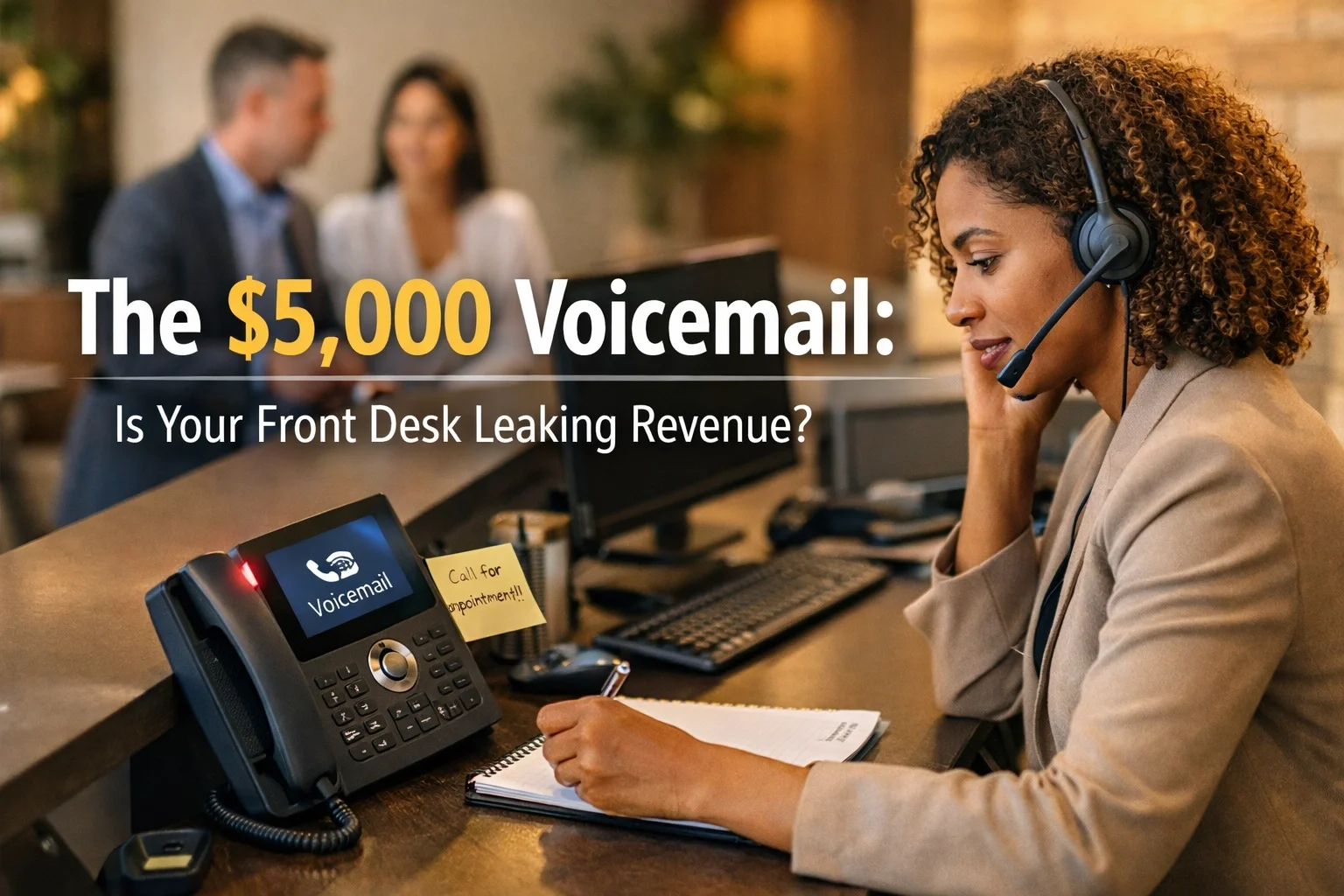
It's 2:47 PM on a Thursday.
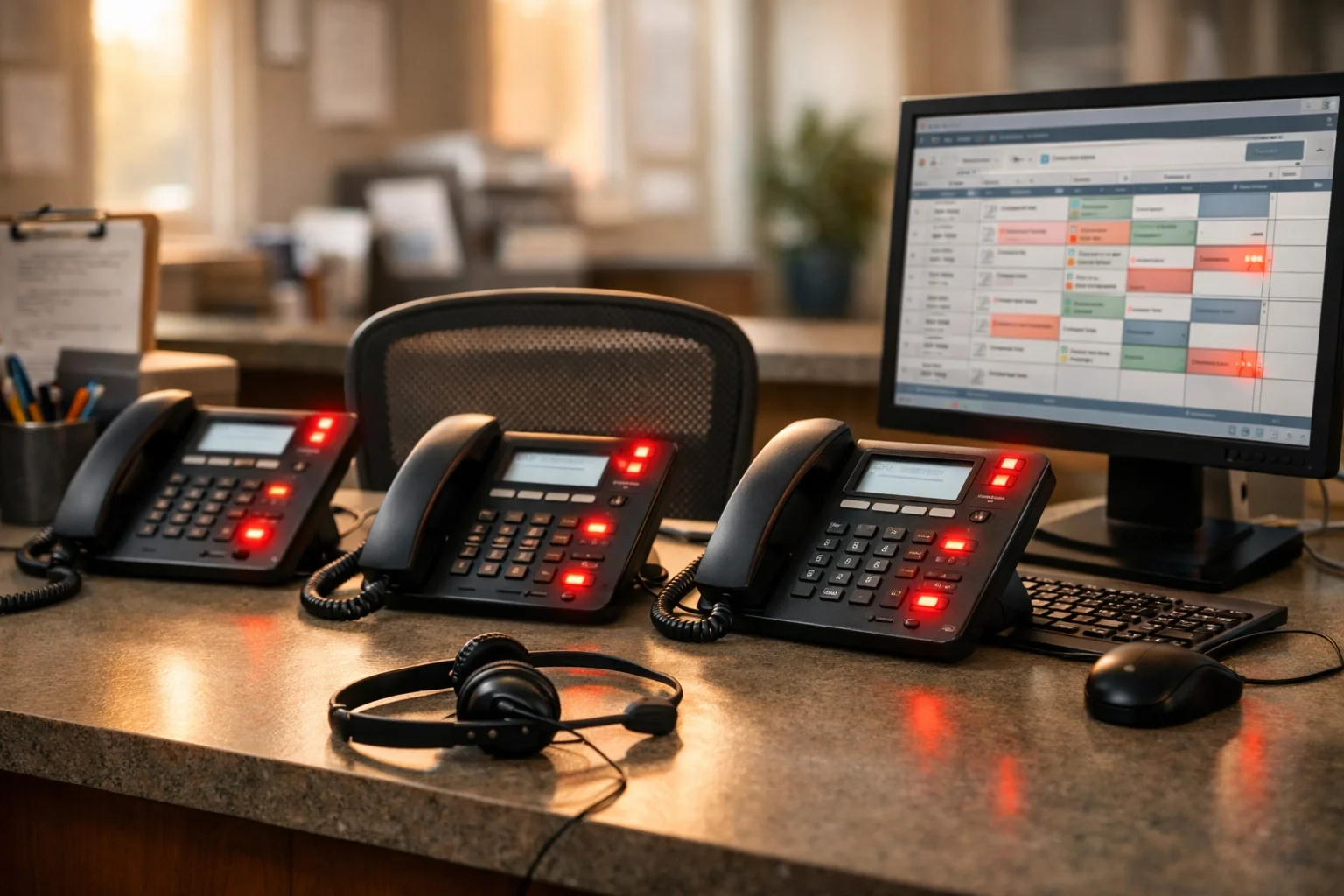
Your front desk coordinator is finishing up a verification call with an insurance company. Line two starts ringing. Then line three. Your coordinator glances at the blinking lights, finishes the insurance hold music torture session, and finally picks up line two.
Voicemail.
Line three? Also voicemail.
What your team doesn't know: Line two was a 34-year-old professional ready to schedule a $6,500 Lasik consultation after seeing your Google ad. Line three was a referral for a cosmetic procedure worth even more.
Both of them called your competitor 90 seconds later.
The Math Your Front Desk Doesn't See
Here's the uncomfortable truth most medical practice owners don't want to acknowledge: You're missing about 62% of calls during normal business hours.
Not because your team is lazy. Not because they don't care. But because they're human, and humans can only do one thing at a time.
Let's break down what that missed call actually costs:
Elective Lasik procedure: $6,500 average
Dental implant case: $4,000–$8,000 per patient
Cosmetic injectables (first visit): $800–$1,200... but lifetime value of that patient? Closer to $5,000–$10,000
Plastic surgery consultation: One rhinoplasty patient represents $8,000–$15,000 in revenue
When you miss the call, you don't just lose the procedure. You lose the repeat visits, the referrals to friends, and the online review that would have brought in three more patients.
A dental practice missing just two calls per day is walking away from approximately $584,000 in annual revenue. Not revenue you "might" get. Revenue that called you, wanted to give you money, and you sent them to a voicemail black hole where 80% of callers hang up without leaving a message.
Why Medical Practices Get Hit Harder
You're not running a pizza shop where a missed call means someone orders from the place next door and forgets about it by tomorrow.
Medical and elective procedures are high-consideration purchases. Your potential patient has:
✔ Researched you online
✔ Compared you to competitors
✔ Worked up the courage to call (especially for cosmetic procedures)
✔ Carved out time during their workday to make the call
When they hit voicemail, 69% don't leave a message. They're not going to call back. They're going to call the practice that answers.
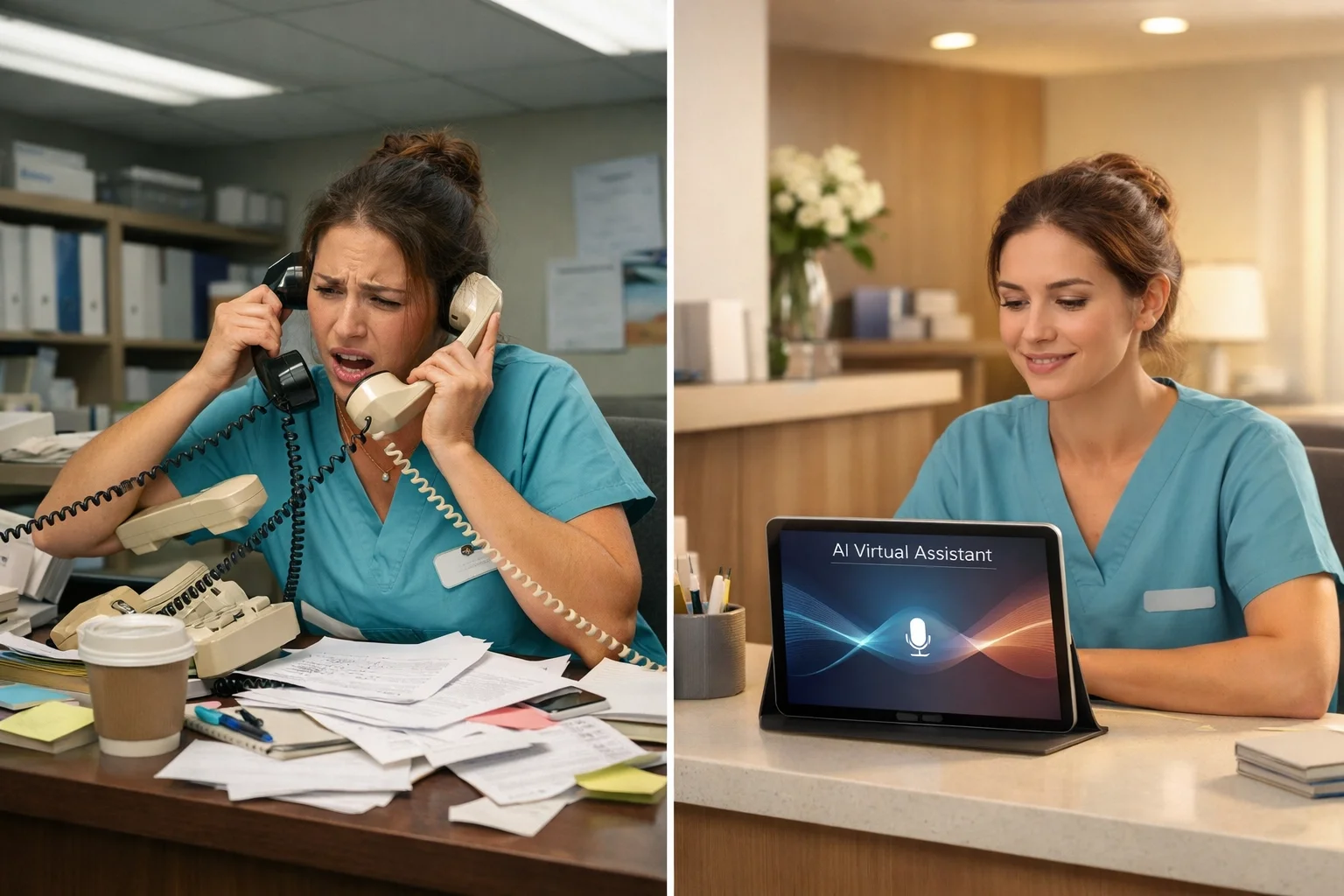
And here's the kicker: small and micro practices are three times more likely to rely on voicemail than large healthcare systems. So while the big guys are answering calls with dedicated call centers, you're asking Sarah at the front desk to juggle check-ins, insurance calls, scheduling, and somehow also be psychic enough to know when a $10,000 elective case is calling on line two.
The "But We Call Them Back" Myth
I hear this all the time: "We always call back voicemails within an hour."
Great. You're still losing the patient.
Because by the time you call them back:
They've already called two other practices
One of those practices answered
They've scheduled a consultation for tomorrow
Your callback goes to their voicemail
Now you're playing phone tag with someone who's already mentally moved on
Speed-to-lead matters in every business, but in elective medical procedures, the practice that answers first gets the consultation 80% of the time.
What an AI Phone Receptionist Actually Does (And Doesn't Do)
Let's clear something up: An AI phone receptionist for small medical practices isn't replacing your front desk staff. It's giving them backup so they can focus on the patients standing in front of them instead of juggling three phone lines like a 1990s switchboard operator.
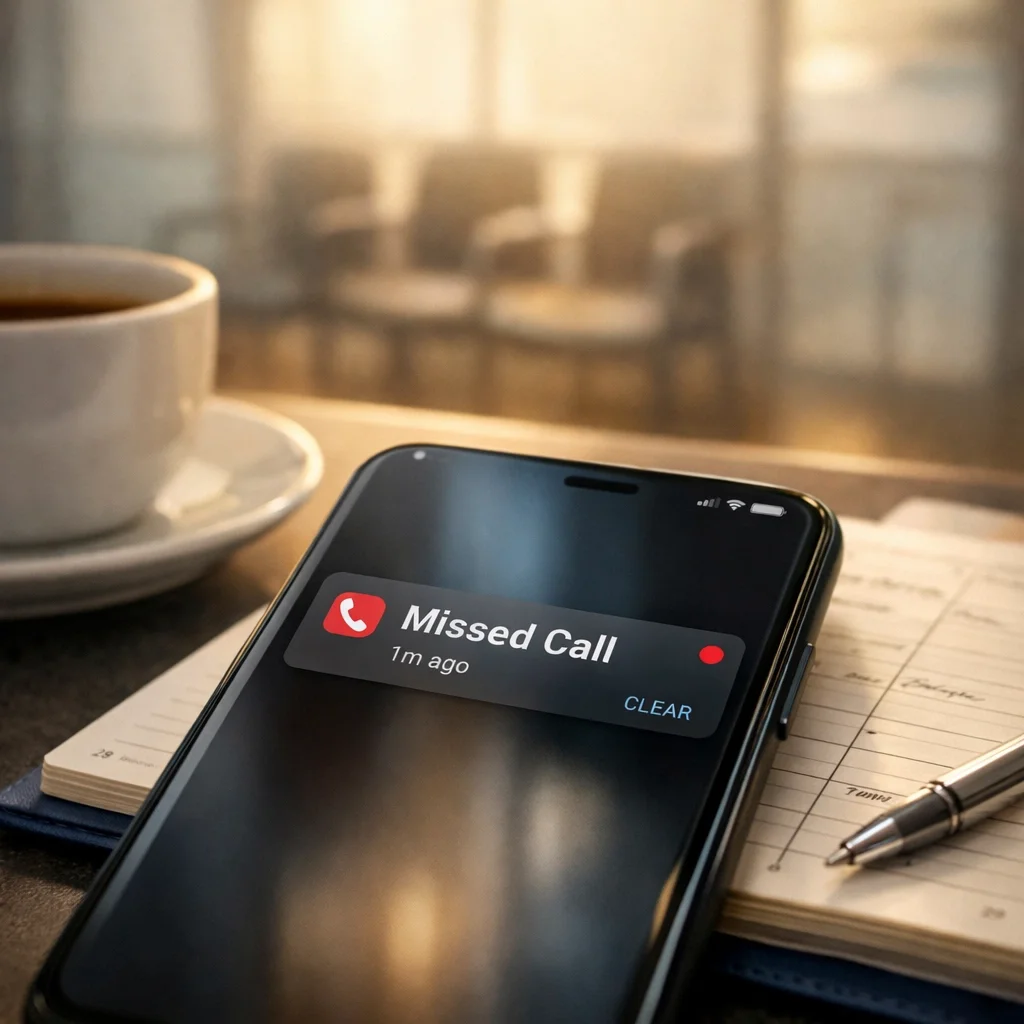
Here's how it works in a real-world scenario:
Scenario: Your front desk is checking in a patient. Three calls come in simultaneously.
Call 1: AI answers. Caller wants to schedule a consultation. AI checks your calendar, offers available slots, books the appointment, sends confirmation via text.
Call 2: AI answers. Caller has a billing question. AI recognizes this needs a human, takes a message with full context, and texts your billing coordinator immediately.
Call 3: AI answers. Caller wants to know if you accept their insurance. AI provides the answer from your FAQ database instantly.
Your front desk coordinator never stopped helping the patient standing in front of them.
All three callers got answers. Two appointments were handled instantly. One was routed to the right person with full context.
Zero voicemails. Zero missed revenue.
The Medical Payment Plans Problem (And Why It Compounds the Issue)
Here's another layer: even when you do answer the phone, how often does the conversation end with "Let me think about it and call you back"?
Translation: They're going to call your competitor and see who has better medical payment plans for elective procedures.
If your front desk is scrambling to answer calls, they're definitely not walking patients through financing options that increase case acceptance. That $8,000 rhinoplasty becomes a "maybe someday" instead of a "see you next Tuesday."
This is where Clear Harbor Connect integrates with Clear Harbor Capital. The AI doesn't just answer calls: it can explain flexible financing options that turn "I can't afford this right now" into approved procedures.
When a caller asks about payment plans:
AI explains your financing options clearly
Provides a link to apply instantly (via text)
Books a consultation while the patient is still motivated
Sends a follow-up text with next steps
You're not losing the lead to hesitation. You're closing it while they're hot.
What This Looks Like in Real Numbers
Let's take a mid-sized cosmetic dental practice:
Average procedure value: $5,000
Calls per day: 25
Current answer rate: 38% (industry average)
Missed calls per day: ~15
If just 20% of those missed calls would have converted to procedures (conservative estimate), that's three patients per day you're not scheduling.
3 patients/day × $5,000 = $15,000/day in missed revenue
$15,000/day × 5 days/week × 50 weeks = $3.75 million per year
Now, not every missed call is a $5k procedure. But even if we're off by 75%, you're still walking away from nearly $1 million annually because your front desk is overwhelmed.

The Part No One Talks About: Staff Burnout
Your front desk team isn't just missing revenue: they're burning out trying to do the impossible.
They know when they miss calls. They see the voicemail light blinking. They feel the stress of trying to be in three places at once. And that stress leads to turnover, which leads to training new staff, which leads to more missed calls during the learning curve.
An AI phone receptionist removes that pressure. Your team can focus on the patients in front of them, knowing that every call is being handled professionally, every lead is being captured, and every opportunity is being maximized.
Is This Just for "Big" Practices?
No. In fact, small practices benefit the most.
Large healthcare systems already have call centers and multiple front desk staff. You don't. You're running lean, which means every missed call hurts more.
Clear Harbor Connect is built for practices that don't have the budget (or the need) for a full-time call center, but also can't afford to keep losing $5,000 voicemails.
If you're a solo practitioner, a small group practice, or a boutique clinic doing elective procedures, this is specifically designed for you.
The Bottom Line (Without the Sales Pitch)
Look, I'm not going to tell you that you need to call us right now or you're doomed.
But I am going to tell you this: If you're spending money on Google Ads, SEO, or any kind of marketing to get your phone to ring... and then you're sending 62% of those calls to voicemail... you're lighting money on fire.
An AI phone receptionist for small medical practices doesn't replace your team. It makes sure that every dollar you spend on marketing actually turns into a booked appointment instead of a missed opportunity.
Your front desk can focus on patients. Your revenue stops leaking. And those $5,000 voicemails? They become $5,000 procedures.
That's the difference between a practice that's "doing okay" and one that's actually growing.
Want to see how this works for your specific practice? Check out our Medical Practices page or explore Clear Harbor Connect to see what eliminating missed calls actually looks like in real time.
